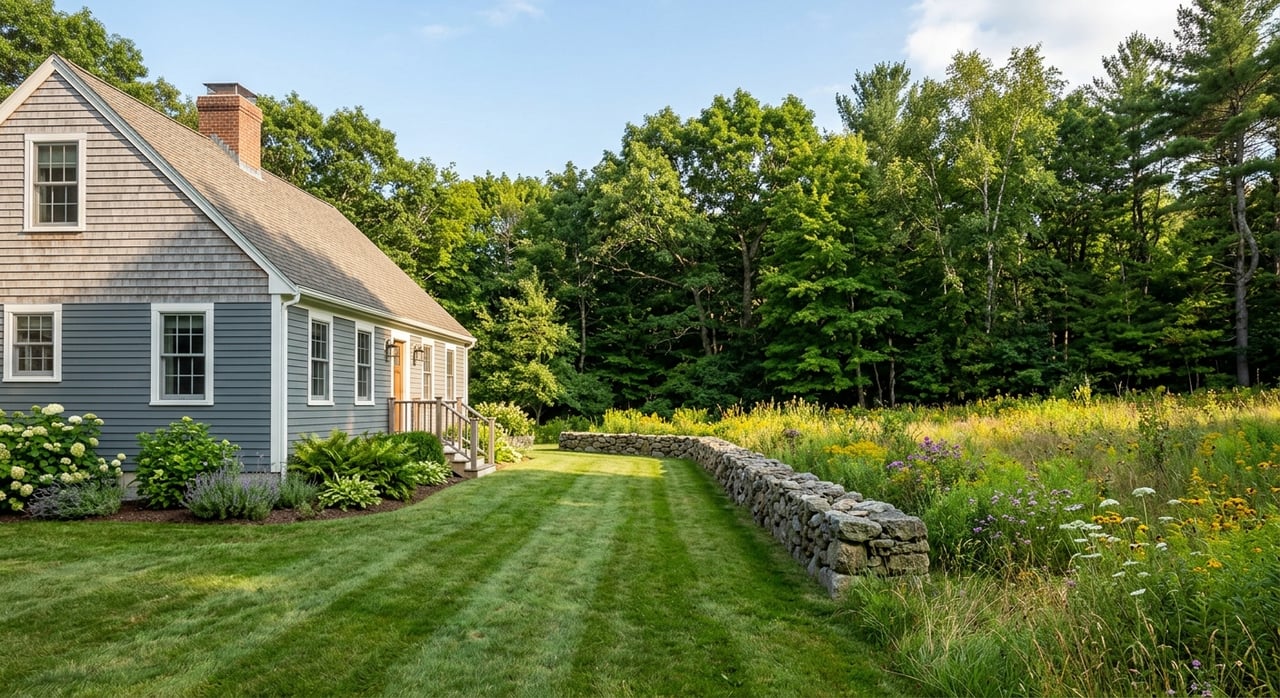
Dreaming about a home with room to breathe in Carver? You are not alone. For many buyers, the appeal is simple: more space, more privacy, and more flexibility than you may find in denser communities. If you are considering buying a home with land in Carver, it helps to understand what acreage really means here, what the local rules allow, and what ongoing ownership looks like. Let’s dive in.
Why Carver Appeals to Land Buyers
Carver stands out as a practical option if you want a property with more outdoor space. The town has 5,064 housing units, an 88.7% owner-occupancy rate, and a median owner-occupied home value of $434,200 according to U.S. Census data.
Current market snapshots also show active inventory with variety. Realtor.com shows 56 homes for sale with a median listing price of $547,500, while current land searches show parcels ranging from about 1.38 acres to 80 acres. That gives you a market where smaller residential lots, moderate acreage, and much larger tracts can all show up at the same time.
What Lot Sizes Are Realistic in Carver
If you are shopping for land in Carver, zoning matters just as much as the acre count on the listing sheet. In the RA district, the minimum lot size is 60,000 square feet, or about 1.38 acres, with 150 feet of frontage.
Rear lots are allowed only in the RA district and must be at least 3 acres. They also need lot width and frontage of at least 40 feet at no point. On top of that, Carver requires at least 70% of the minimum lot size to be dry land, not streams, bogs, wetlands, or floodplain.
That last point is especially important. A property may look generous on paper, but if a meaningful part of the lot includes wetlands or other constrained areas, your usable yard may be much smaller than you expect.
The Common 1- to 2-Acre Range
Based on current listings, many buyers will likely find themselves looking at lots in the 1- to 2-acre range. That is a practical range for buyers who want more breathing room, space for outdoor use, or some separation from neighboring homes.
At the same time, current listings show a broader spread. House lots in one sample ranged from 0.23 acre to 3.8 acres, while land-only listings ranged from 1.38 acres to 80 acres. So while 1 to 2 acres may be a common target, it is not the only option in Carver.
What Privacy Really Looks Like
One reason buyers look in Carver is the sense of space. The town’s housing stock is made up mostly of single-family homes, which account for about 77% of units. Smaller shares include 2-to-4 unit buildings at 2.1% and 5+ unit buildings at 0.2%, with the remaining units largely made up of non-permanent structures such as mobile homes.
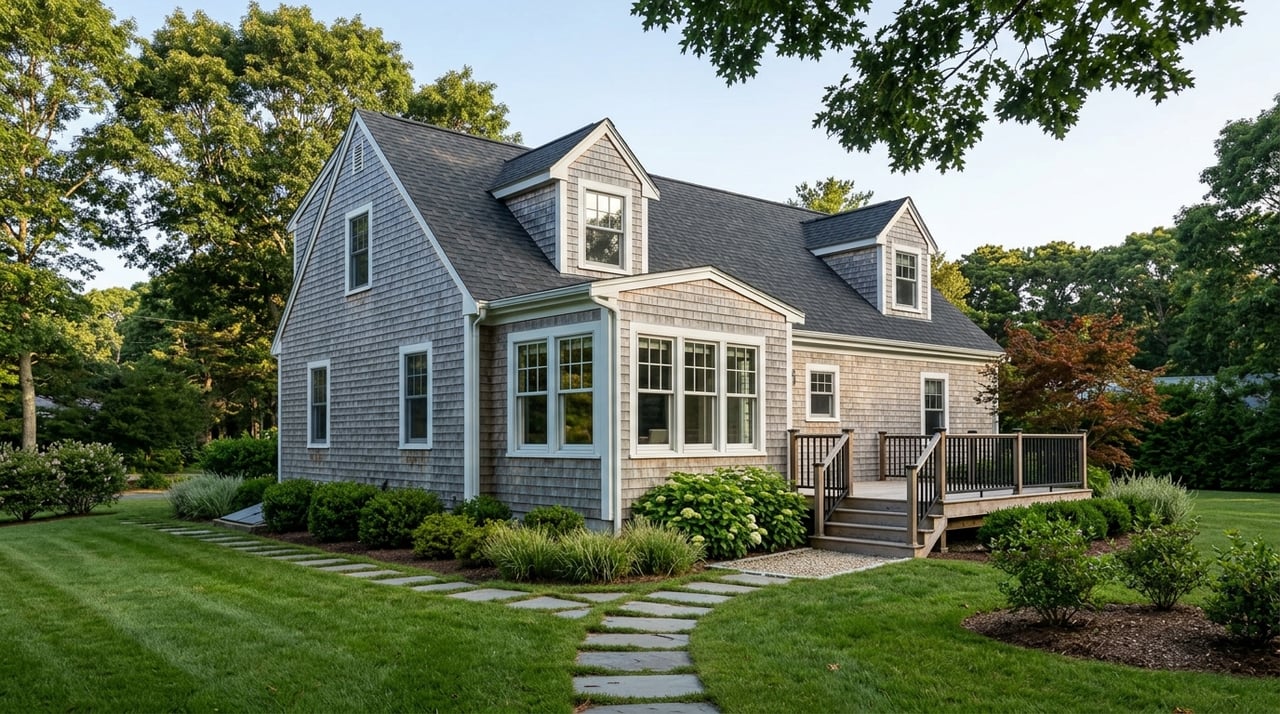
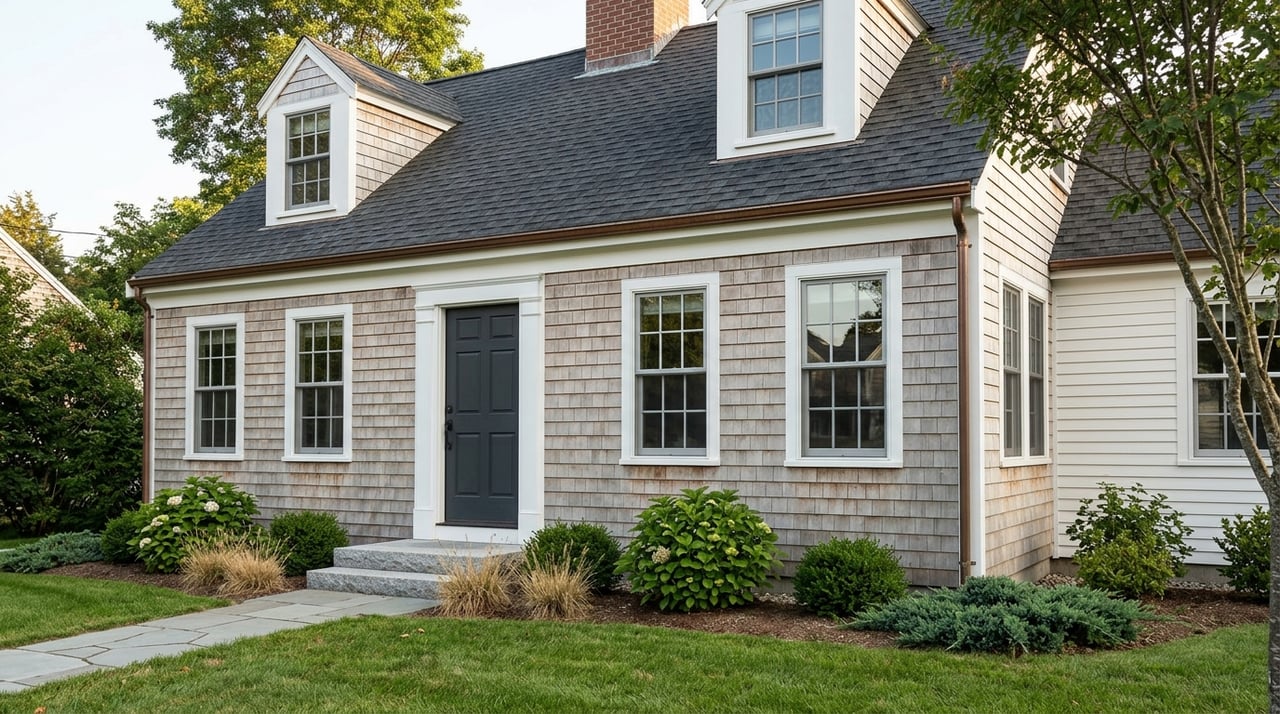
Current listings reflect that mix, with Cape, Colonial, Gambrel, Raised Ranch, and Ranch homes appearing alongside condos, townhouses, and mobile homes. That variety can be helpful if you want Carver’s location and feel but not necessarily a large lot to maintain.
Many active listings also highlight wooded settings, set-back homes, or cranberry bog views. Those features often create a more private feeling than you might expect in a denser suburb, but they do not guarantee seclusion. Frontage, setbacks, neighboring parcels, and wet areas all shape how private a property actually feels once you walk it in person.
Bog Views and Low-Lying Land
A bog view can be attractive if you want an open outlook. It can also be a clue that part of the surrounding land may be low-lying or constrained.
That does not make the property a poor fit. It simply means you should look beyond the view and ask how much of the lot is usable dry land, where the building envelope sits, and how the site is laid out for daily living.
What a Larger Lot May Support
It is easy to imagine big plans when you see extra acreage. You may be thinking about a detached garage, workshop, shed, or other accessory building.
Carver’s zoning bylaw does allow accessory buildings and other accessory uses, and the town also regulates home occupations. But those uses still need to fit within the lot’s yard and setback requirements.
That means a larger lot may give you more options, but it does not mean every acre can be built on or used the way you first imagine. Wetlands, shape, setbacks, frontage, and septic layout can all reduce the functional area of a parcel.
Verify the Building Envelope Early
If future flexibility matters to you, confirm the building envelope before you fall in love with the property. The building envelope is the portion of the lot where structures and site improvements may realistically fit once zoning and site constraints are considered.
For many buyers, this step can make the difference between a lot that looks spacious and a lot that truly works for long-term plans. A property with fewer acres but better usable layout may serve you better than a larger parcel with more constraints.
Septic, Wells, and Ownership Costs
Buying a home with land in Carver often means thinking beyond the purchase price. According to the town’s hazard mitigation plan, Carver has some localized municipal water but no wastewater facilities, and most homes rely on private wells and septic systems.
That matters because ongoing ownership includes more than mortgage, taxes, and insurance. You may also need to budget for septic service, water testing, and the added upkeep that comes with larger or more rural lots.
What to Know About Well Water
The Carver Board of Health says a well test is not required in town. However, MassDEP recommends that prospective buyers test well water before purchase using a state-certified lab.
MassDEP also recommends testing private wells at least annually for bacteria and nitrates. If you are used to municipal water, this is an important shift in responsibility that should be part of your planning.
What to Know About Septic
Title 5 requires a septic inspection when buying or selling most properties with septic systems. If a system fails, it must be repaired or replaced.
MassDEP also recommends that septic systems be pumped at least once every three years. For buyers looking at homes with more land, understanding the age, condition, and location of the septic system is just as important as understanding the lot size itself.
Matching the Right Property to Your Lifestyle
The best home with land in Carver depends on how you plan to use it. Acreage sounds appealing, but the right fit usually comes down to your daily life, maintenance comfort, and future goals.
If you want gardening space, room for pets, a play yard, or a buffer from neighbors, the 1- to 2-acre range will often be a strong fit. If you want to explore a future garage, workshop, or similar project, larger lots may be worth a closer look, but you should confirm zoning, septic, and wetland constraints early.
If your goal is simpler living with less exterior maintenance, Carver may still work for you. Current inventory includes townhouses, condos, and mobile homes in addition to single-family houses and land listings.
A Smart Way to Evaluate Land in Carver
When you tour a property, try to think beyond the headline acreage. A smart evaluation should focus on how the land functions, not just how much of it exists.
Ask practical questions like:
- How much of the lot is usable dry land?
- Where are the wetlands, bog edges, or flood-related constraints?
- What are the frontage and setback limitations?
- Where are the well and septic located?
- Is there realistic room for future accessory structures?
- How much land will you actually want to maintain?
These questions can help you avoid buying too much land, too little land, or the wrong kind of land for your goals.
Final Thoughts on Buying Land in Carver
Carver can be a strong match if you want a home with more outdoor space and a less dense feel. The market offers a meaningful range, from smaller residential lots to much larger parcels, but acreage alone does not tell the whole story.
In Carver, usable dry land, setbacks, frontage, wells, septic, and long-term maintenance all matter. If you want a property that supports the way you live now and gives you confidence about the future, local guidance can make the search much clearer.
If you are thinking about buying a home with land in Carver, the Derouen | Levinson Group can help you evaluate your options with local insight and personalized guidance.
FAQs
What lot size is common for homes with land in Carver, MA?
- Current listings suggest many buyers will focus on the 1- to 2-acre range, although available house lots and land parcels can fall well below or above that range.
What does usable land mean when buying a property in Carver, MA?
- Usable land means the portion of the property that is dry and workable after accounting for wetlands, streams, bogs, floodplain, setbacks, and other site constraints.
Can you add a garage or workshop to a larger lot in Carver, MA?
- Possibly, but you should verify zoning, setbacks, lot layout, and site constraints first because larger acreage does not automatically mean the entire parcel can support future structures.
Do homes with land in Carver, MA usually have wells and septic systems?
- Yes. Carver has some localized municipal water but no wastewater facilities, and most homes rely on private wells and septic systems.
Is a well water test required when buying a home in Carver, MA?
- The Carver Board of Health says a well test is not required in town, but MassDEP recommends testing well water before purchase through a state-certified lab.
Is a septic inspection required when buying a home in Carver, MA?
- In most cases, yes. Title 5 requires a septic inspection when buying or selling most properties with septic systems, and failing systems must be repaired or replaced.