If you want more space without giving up access to Boston, Middleborough may already be on your radar. Many buyers are looking for a town that feels more manageable on price while still offering real commuter options. The key question is whether Middleborough gives you the right balance of commute, home style, and day-to-day convenience. Let’s dive in.
Middleborough at a glance
Middleborough sits about 38 miles from Boston and has strong regional road connections through I-495, Route 44, Route 24, Route 28, and Route 105. Route 44 runs east toward Plymouth, and Route 28 runs north toward Brockton. The town also highlights its access to I-495 and Route 24, which matters if you drive to work or need flexibility for regional travel.
Middleborough is also the second-largest municipality in Massachusetts by land area. In practical terms, that helps explain why it often feels more spread out than closer-in commuter suburbs. If you are looking for a lower-density setting, that can be a meaningful part of the appeal.
Rail options for Boston commuters
For many buyers, the biggest question is whether you can realistically get into Boston without driving the whole way. The answer is yes. The South Coast Rail and Fall River-New Bedford Line launched on March 24, 2025, and the rollout included the new Middleborough Station at 52 West Grove Street.
That launch brought direct rail access connected to South Station through the regional commuter rail network. At launch, the MBTA and state announced 32 weekday trips between South Station and East Taunton, along with 26 weekend trips and late-night service. That gives commuters a real transit option, even if Middleborough functions more like a regional rail stop than a close-in rapid transit suburb.
What that means for your routine
If you commute a few days a week instead of five, Middleborough may fit especially well. You can use rail access to reach Boston while still living in a town where homes and lots often offer more breathing room. For buyers who do not need a short-hop urban commute, that tradeoff can make sense.
It also helps to think of Middleborough as a town with commuting options, not as a place built around frequent urban-style transit. That distinction matters when setting expectations. You are choosing flexibility and space, not the feel of an inner-ring suburb.
Local shuttle support
Middleborough also has a useful local transit backstop through GATRA. The Downtown Middleborough Shuttle serves the MBTA station, Town Hall, Riverview Apartments, Nemasket Apartments, Acorn Hill, Southeast Health Center, Hannaford’s, and Trucchi’s.
For some commuters, that can make first-mile and last-mile planning easier. If you do not want to drive for every errand or every station trip, having a local shuttle in the mix adds another layer of convenience.
Driving from Middleborough
If you prefer to drive, Middleborough’s road network is one of its strengths. I-495, Route 24, Route 44, Route 28, and Route 105 create multiple ways to move around the South Shore, Plymouth area, and broader Southeastern Massachusetts region.
For Boston-bound drivers, those routes matter because they connect you outward before you head into the city. That can be helpful if your work is not actually in downtown Boston, but somewhere else in the metro area or along the South Shore corridor. In that sense, Middleborough can work well for buyers who need regional access as much as city access.
Housing style and space
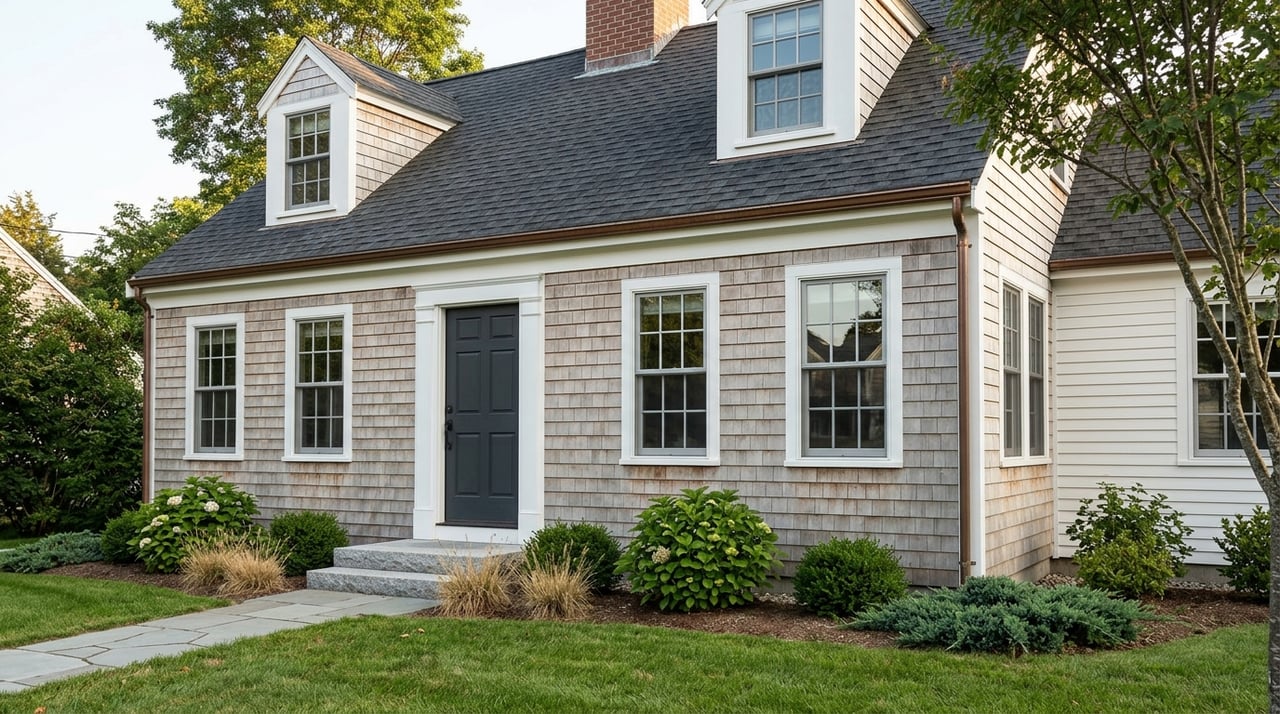
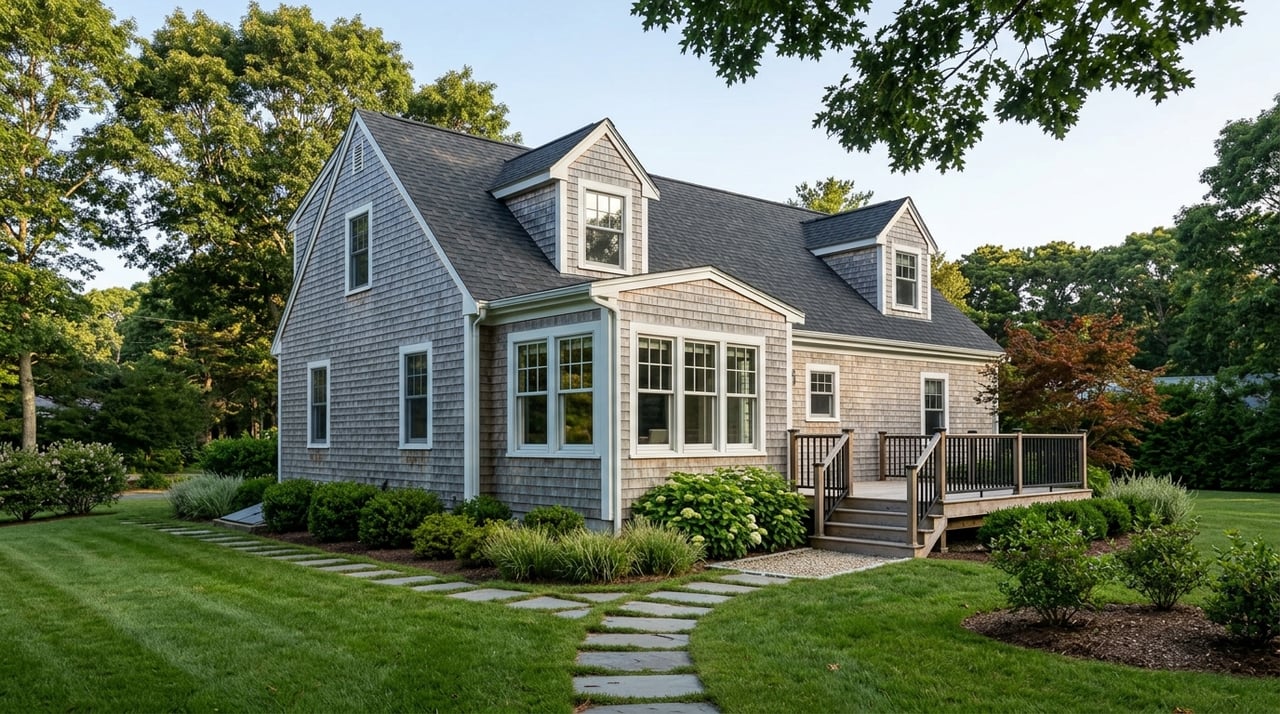
Commuting is only part of the equation. Where Middleborough really stands out is in the type of housing it tends to offer. According to the town’s Community Preservation Plan, 71% of the housing stock is single-family.
That same plan reports 16% of housing in 2 to 9 unit multifamily buildings, 10% in 10+ unit multifamily buildings, and 6% mobile homes. Census QuickFacts also shows an owner-occupied housing rate of 76.9%. Together, those numbers point to a town that is largely oriented around owner-occupied, single-family living rather than a condo-heavy commuter market.
Lot sizes help shape the feel
Middleborough’s zoning standards reinforce that lower-density character. The town lists minimum lot areas of 60,000 square feet in Residence A, 20,000 square feet in Residence B, and 80,000 square feet in Residence Rural. The town also allows special Retreat Lots at five times the usual minimum lot area with 40 feet of frontage.
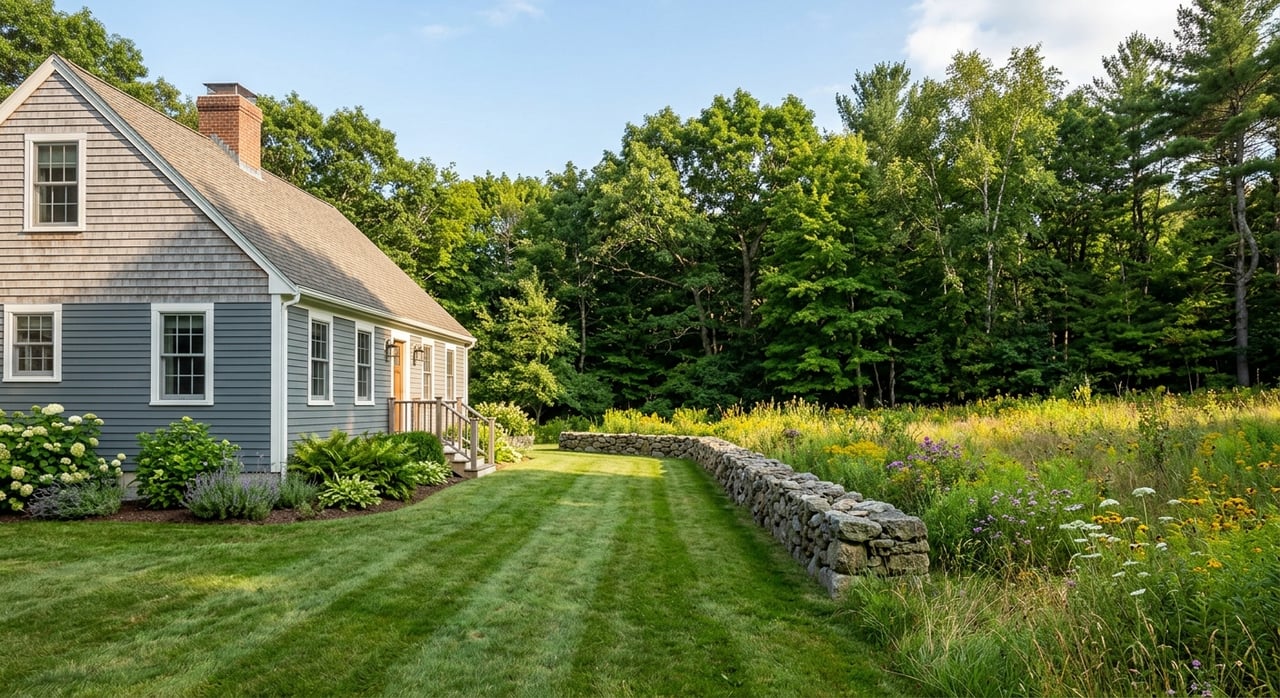
For you as a buyer, this often translates into more yard space, more separation between homes, and a less tightly packed setting. If you are comparing Middleborough to closer-in suburbs, this difference can feel substantial in daily life.
How Middleborough compares on price
For many commuters, affordability is the reason Middleborough enters the conversation in the first place. Census QuickFacts lists Middleborough’s median owner-occupied home value at $468,700. That is below Plymouth County at $556,000 and below Massachusetts at $562,100.
It also compares favorably with several Boston-adjacent or South Shore communities. Weymouth is listed at $552,100, Randolph at $496,400, Quincy at $618,500, and Braintree at $656,800. That does not mean every home in Middleborough is a bargain, but it does support the idea that the town often sits in a more accessible price band than many closer-in suburbs.
Rental costs follow a similar pattern
The same value story shows up in rents. Middleborough’s median gross rent is $1,706, compared with $1,941 in Weymouth, $2,024 in Braintree, $2,118 in Quincy, and $2,103 in Randolph.
If you are planning a move before buying, or comparing ownership costs against local rents, that gap is worth noticing. Middleborough may give you more options if your goal is to stay within budget while keeping a Boston commute possible.
The tradeoff: time versus space
So, is Middleborough a smart choice for commuters? For many buyers, yes, especially if your top priorities include more land, a detached-home setting, and a lower entry price than many closer-in towns.
The tradeoff is straightforward. Boston is still 38 miles away, so Middleborough is better understood as a suburban commuter base than a quick city suburb. In most cases, you are trading a shorter commute for more room and a housing profile that may feel easier to grow into.
Who Middleborough may suit best
Middleborough can be a strong fit if you are looking for:
- Direct commuter rail access to Boston through a regional station
- Road access that supports driving across Southeastern Massachusetts and the South Shore
- A town with a strong single-family housing profile
- Larger lot standards than many more urbanized suburbs
- Home values and rents that compare favorably with several closer-in communities
It may be especially appealing if you work in a hybrid schedule, need flexibility between rail and driving, or simply want your housing dollars to stretch further. For many buyers, that combination is what makes the town worth a closer look.
If you are weighing Middleborough against Plymouth, Carver, Wareham, or other South Shore and Southeastern Massachusetts locations, the best choice usually comes down to how you value commute time, lot size, and purchase price. A local comparison can make that decision much clearer.
If you want help comparing Middleborough with other commuter-friendly towns in Southeastern Massachusetts, connect with Derouen | Levinson Group. Their team offers personalized guidance for buyers who want the right fit, not just the nearest town on the map.
FAQs
Is Middleborough, MA good for commuting to Boston?
- Yes. Middleborough has direct commuter rail access through the new Middleborough Station and also offers strong road connections through I-495, Route 24, Route 44, and Route 28.
Does Middleborough, MA have commuter rail service?
- Yes. The South Coast Rail and Fall River-New Bedford Line launched on March 24, 2025, and included the new Middleborough Station at 52 West Grove Street.
Is Middleborough, MA closer to Boston or Plymouth?
- Middleborough is about 38 miles from Boston, and Route 44 runs east toward Plymouth, giving you access to both destinations through the regional road network.
Are homes in Middleborough, MA more affordable than nearby commuter suburbs?
- Based on Census QuickFacts median owner-occupied values, Middleborough is lower than Plymouth County overall and lower than places like Weymouth, Quincy, and Braintree.
What kind of housing is common in Middleborough, MA?
- Middleborough is heavily single-family oriented. The town reports that 71% of its housing stock is single-family, which supports its more suburban, lower-density feel.
Does Middleborough, MA offer larger lots than closer-in suburbs?
- Often, yes. The town’s zoning includes large minimum lot areas in several residential districts, which helps explain why many homesites feel roomier than those in more urbanized suburban locations.