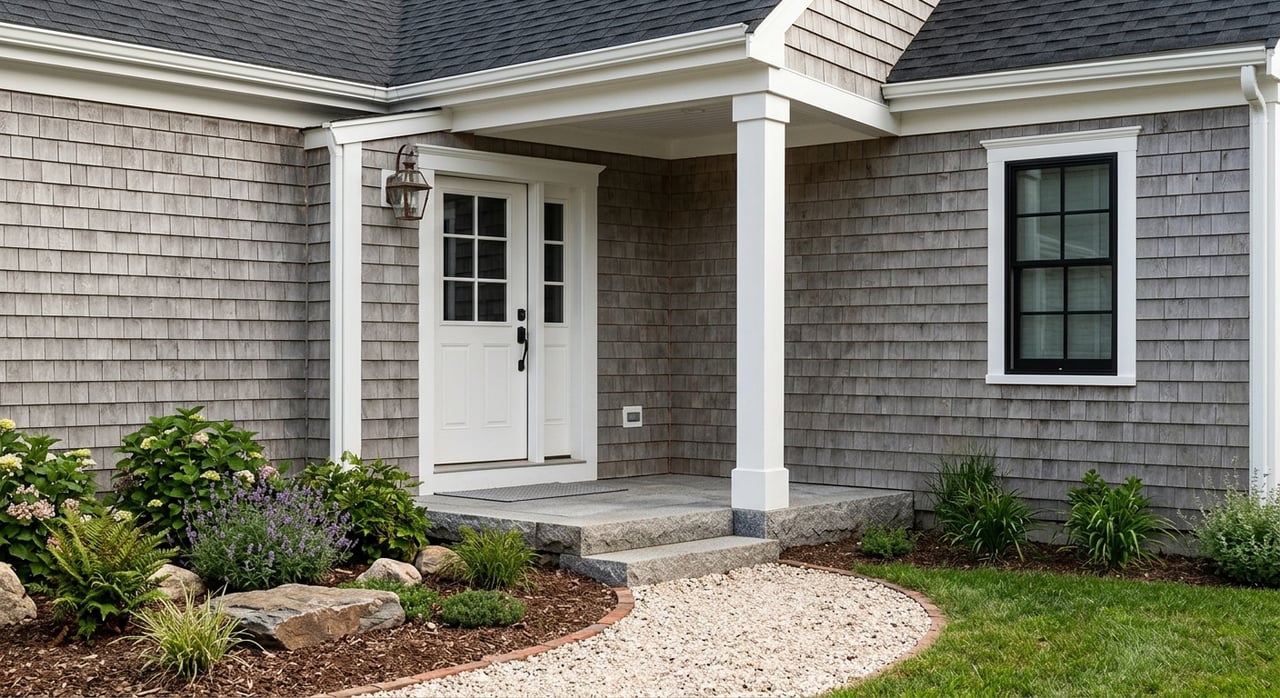
Wondering if your next move in Barnstable should mean less space, less upkeep, or simply a better fit for how you live now? If you have owned your home for years, downsizing can feel exciting and overwhelming at the same time. The good news is that a right-sized move does not have to feel rushed or confusing. With a clear plan and a local view of Barnstable’s housing options, you can make choices that support your lifestyle now and in the years ahead. Let’s dive in.
Why downsizing makes sense in Barnstable
Barnstable is a natural place to have this conversation. The town has 49,568 residents, a median age of 49.1, and 26.8% of residents are age 65 or older. In Barnstable County, that share is even higher at 34.8%.
That matters because many homeowners here are asking similar questions about space, upkeep, and daily routines. You may no longer need extra bedrooms, a large yard, or a home layout built for an earlier season of life. Right-sizing is often less about giving something up and more about making day-to-day living easier.
Barnstable also has a strong ownership base. The owner-occupied housing rate is 75.7%, and the median value of owner-occupied homes is $602,500. For longtime owners, that often means a downsizing move is tied to both lifestyle goals and home equity decisions.
What makes Barnstable different
Barnstable’s housing market has a few local traits that shape the downsizing process. Most housing units are single-unit homes, at 84.58%, and only 7.02% of homes were built in 2000 or later. In simple terms, the town has a lot of detached homes and fewer newer low-maintenance choices.
That means your next home may not be brand new, even if your goal is simpler living. In Barnstable, “low maintenance” often means a home in solid condition with a manageable lot and an easy layout, rather than new construction with every modern feature.
Housing availability is also part of the picture. The Cape Cod Commission found that 6,053 of Barnstable’s 26,666 housing units were seasonally vacant in 2020, or 23%. Seasonal housing reduces the pool of homes available for year-round buyers and renters, which can make planning and timing even more important.
Start with your version of right-sizing
Before you tour homes, define what “smaller” actually means for you. A successful downsizing move is not only about square footage. It is about choosing a home that fits your routines, priorities, and comfort level.
Start by thinking about the tradeoffs you are willing to make. Some homeowners want less yard work. Others want one-floor living, fewer stairs, less cleaning, or a lock-and-leave setup for travel.
Ask yourself:
- Do you want shared exterior maintenance?
- How important are privacy and separation from neighbors?
- Do you still want outdoor space?
- How much storage do you really use?
- Would a simpler layout improve your daily life?
In Barnstable, this step is especially useful because the housing stock offers a mix of detached homes, condos, and cottage-style options, but not in equal numbers.
Compare your main housing options
Condos in Barnstable
For many downsizers, condos are the first option that comes to mind. They can reduce exterior maintenance and simplify day-to-day ownership. That can be appealing if you are ready to spend less time on chores and more time enjoying Cape Cod.
Still, condo living comes with questions you should weigh carefully. Think about parking, storage, privacy, association structure, and whether the community feels active year-round or more seasonal. In a market like Barnstable, those details can shape how comfortable the fit really is.
Cottages and cottage-style communities
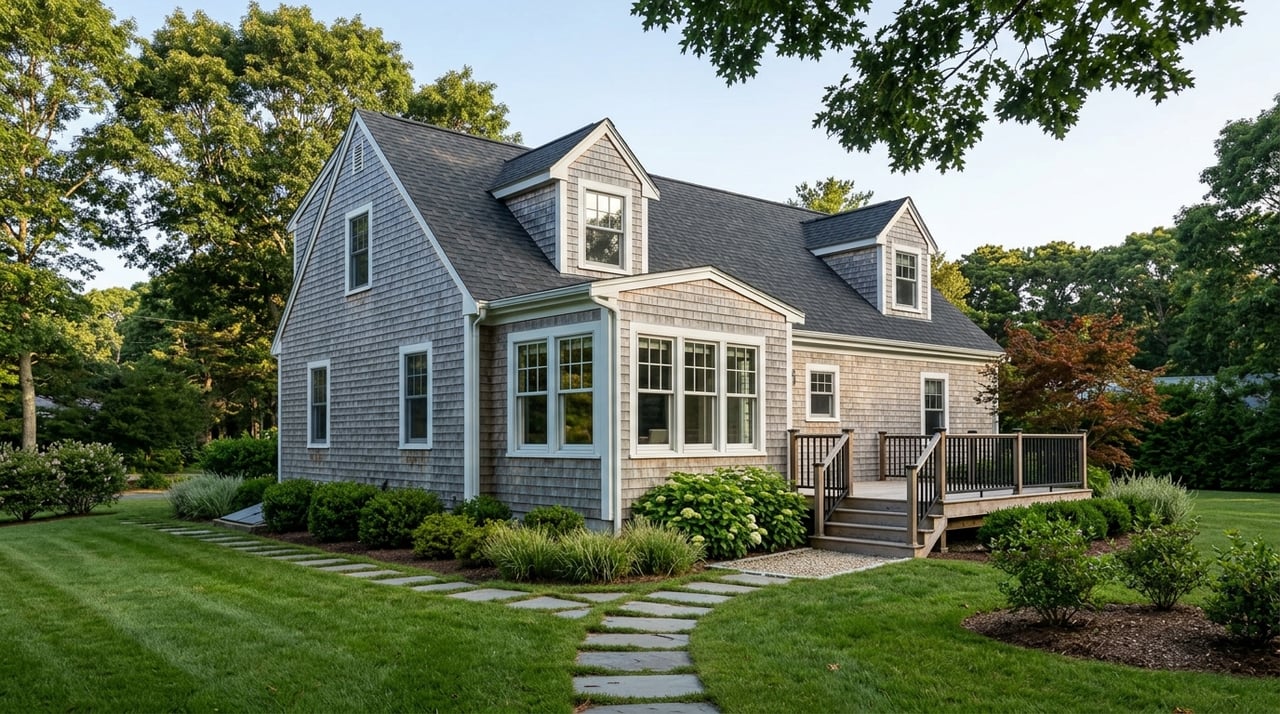
The Cape Cod Commission notes that many multifamily properties in Barnstable County are condo complexes or cottages that feel more like clusters of single-family homes on smaller properties. For downsizers, that can create a useful middle ground.
A cottage-style home may offer a more residential feel than a larger building while still cutting down on upkeep. If you want a smaller footprint without giving up a sense of separation or neighborhood character, this category is worth a close look.
Smaller single-family homes
Because Barnstable leans so heavily toward single-unit housing, many downsizers stay in a detached home. The difference is that they look for smaller lots, easier layouts, and homes in good condition rather than large square footage.
This path often works well if privacy and outdoor space still matter to you. It can also feel familiar if you are not ready for shared walls or association rules. In Barnstable, a lower-maintenance single-family home may be easier to find than a newer condo, depending on your timing and village preferences.
Think beyond the house itself
Barnstable is organized around seven villages: Hyannis, Centerville, Osterville, Cotuit, Marstons Mills, West Barnstable, and Barnstable Village. Town planning materials emphasize preserving village character and quality of life, which makes location a big part of the downsizing decision.
That means right-sizing in Barnstable is not just about moving into a smaller home. It is also about choosing the village rhythm that best fits your next chapter. You may want easier access to everyday errands, a quieter setting, or a different feel from the one that suited you years ago.
As you compare options, pay attention to how each village supports your daily habits. The goal is not simply to move less furniture into less space. The goal is to land in a place that feels easier to live in and easier to enjoy.
Measure before you decide what stays
One of the most common downsizing mistakes is keeping furniture first and choosing space second. AARP recommends measuring your next home and using a floor plan before deciding what to keep. That advice is especially helpful when comparing condos, cottages, and smaller detached homes.
A room may look large enough during a showing, but furniture placement tells the real story. Will your dining table fit without blocking flow? Will the guest room still function if it also needs to serve as an office or storage area?
Before you commit, make a simple list of the pieces you use every week. Then compare those items against likely room sizes and layouts. This helps you make practical choices instead of emotional guesses.
Give yourself more time than you think
If possible, start planning about a year ahead. AARP recommends creating a storage plan early, starting decluttering well in advance, and using a room-by-room system. It suggests working toward having each room decluttered by month three.
That timeline may sound long, but it lowers stress in a major way. Downsizing is easier when you can make calm decisions instead of rushed ones. It also gives you time to sort what you will keep, donate, store, or discard.
If your timeline is shorter, you can still make progress with the same structure. The key is to work in stages instead of trying to clear the whole house at once.
A practical downsizing checklist
- Start with storage areas, guest rooms, and least-used spaces
- Declutter one room at a time
- Separate keepsakes from everyday items
- Measure large furniture before moving decisions are final
- Pack least-used items early
- Create a temporary storage plan if needed
Prepare your current home for a smoother sale
For many Barnstable sellers, the best prep work is practical and visible, not dramatic. NAR recommends a pre-sale inspection, organizing and cleaning, packing least-used items, and improving curb appeal before listing.
That approach makes sense in Barnstable, where much of the housing stock is older. Buyers often notice condition and presentation right away. Clean rooms, simplified surfaces, and a clear path through the home can help the property feel more spacious and easier to picture living in.
AARP also recommends starting inspection and yard planning early. That gives you time to handle repairs or appearance issues without stacking everything into the final few weeks.
Focus on these prep priorities
- Schedule a pre-sale inspection
- Clean windows, carpets, walls, lighting fixtures, and baseboards
- Pack rarely used items to reduce visual clutter
- Simplify furniture placement to improve flow
- Tidy landscaping and entry areas for stronger first impressions
Plan for a gap between selling and buying
In Barnstable, your sale and purchase may not line up perfectly. That does not mean you need to make rushed decisions. Often, the best solution is logistical planning.
Temporary storage, an accurate furniture plan, and enough lead time can give you flexibility. If your next home is available later than your sale closes, a staged plan can help you stay organized and avoid keeping too much simply because there is no time to sort it.
This is one area where a steady, full-service approach really matters. When you have a clear plan for timing, showings, negotiations, and closing coordination, the whole move tends to feel more manageable.
Keep your goals simple and specific
The best downsizing decisions usually come back to a few clear priorities. Try to define your move in practical terms. Maybe you want one-floor living, less yard work, better storage, or a home that feels easier to lock up and leave.
When your goals are specific, tradeoffs become easier to evaluate. A condo may solve maintenance concerns. A cottage may offer a more residential feel. A smaller detached home may give you the privacy and outdoor space you still want.
Barnstable offers all three paths, but not always in equal supply. The right move is the one that fits your life, your comfort level, and your timeline.
If you are thinking about downsizing in Barnstable, the most helpful first step is often a conversation about timing, home prep, and which type of property truly fits your next chapter. The team at Derouen | Levinson Group offers personalized guidance from pricing and marketing through negotiations and closing coordination, so you can plan your move with more clarity and less stress.
FAQs
What does downsizing in Barnstable usually mean?
- In Barnstable, downsizing often means moving from a larger older single-family home into a condo, cottage-style property, or a smaller detached home with easier upkeep.
What housing types should Barnstable downsizers compare?
- The main options to compare are condos, cottage-style communities, and smaller single-family homes, with attention to maintenance, privacy, storage, parking, and outdoor space.
Why can downsizing in Barnstable take longer than expected?
- Barnstable has a housing market with many detached homes, fewer newer low-maintenance options, and a seasonal housing component that can reduce year-round availability.
How early should you start preparing to downsize in Barnstable?
- A year ahead is a useful target if possible, since early decluttering, storage planning, and home-prep work can make the move smoother and less stressful.
What should Barnstable homeowners do before listing a home for a downsizing move?
- Focus on practical steps like a pre-sale inspection, deep cleaning, packing least-used items, decluttering room by room, and improving curb appeal.